Robin Hood Dies on Father’s Day
As a Russian immigrant, Father's Day is something I'm reminded of by social media and decorations in stores encouraging you to purchase a gift. We didn't have Father's Day in Russia.
On this day I helped my husband choose photos for the men in his family. We drove to Walmart to pick up the prints. When we came back to his parents' house he got out of the car and told me to take the driver's seat.
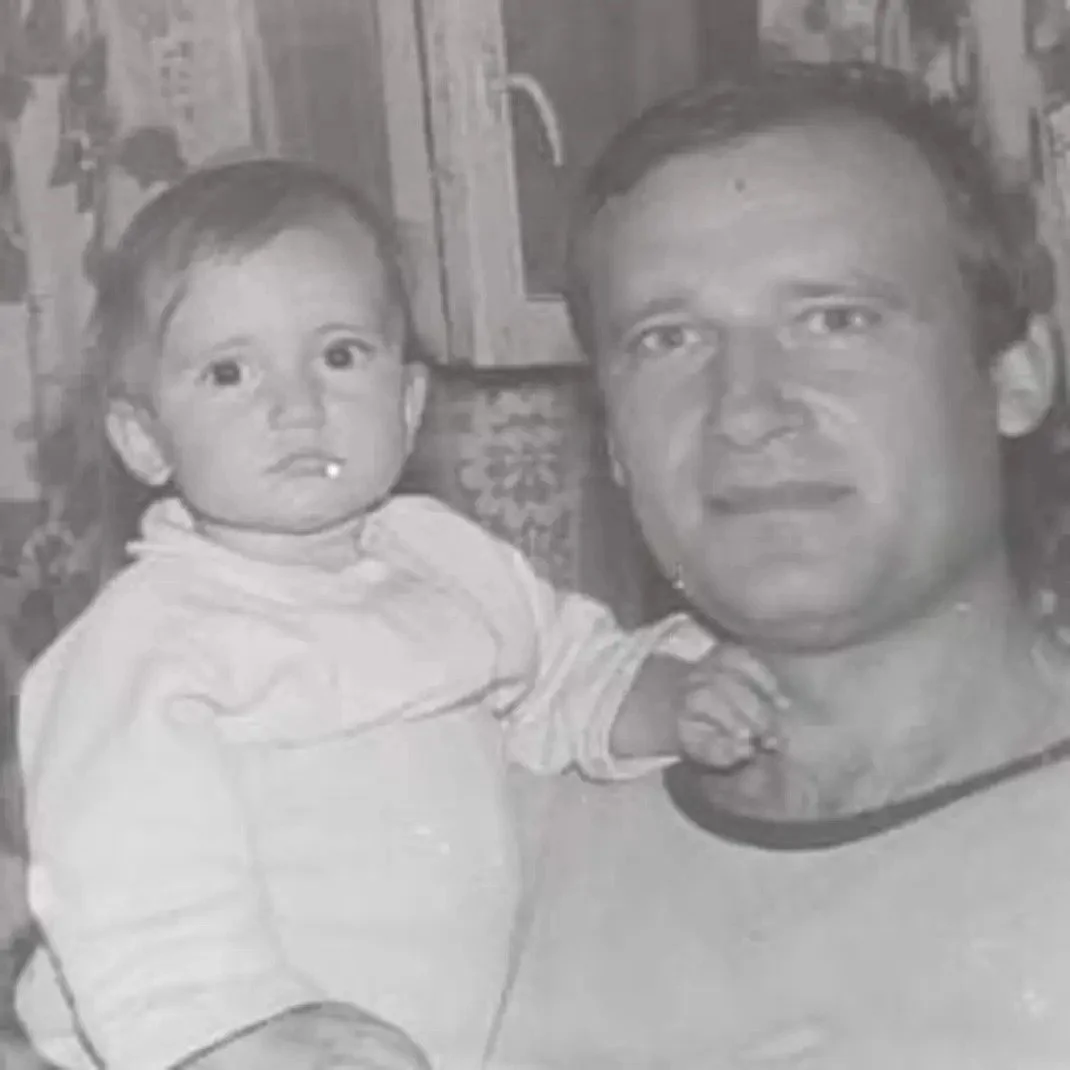
My father loved driving. He didn't get a chance to teach me.
By the time I was 18, the legal driving age in Russia, we weren't talking as much. He and my mom separated. I stayed living with my mom. She bought him a one bedroom apartment in a different part of the city.
Our relationship wasn't always like that. My dad was my best friend when I was a kid. He taught me how to swim, how to ski and skate. We played badminton together during summer and rode bumper cars in our Soviet-built attraction park in Omsk.
When my parents started to have problems in their marriage, he started to drink more.
He had trouble holding on to a job.
I parked the car and closed my eyes holding back tears.
"What's the matter?" Justin asked.
"I just can't help but think about my dad today every time I open my phone, from being on a text chain with your family to Instagram posts of my friends posting beautiful images with them and their dads. I wish I could take a picture of us now."
The tension in my neck kept rising as the day went by.
Later that day while Justin was wrapping frames in brown rustic paper, I was restless watching him.
"You wanna see a movie?" I asked Justin.
"Only if it's Masters of the Universe," he said.
"Wait a minute," I said, checking AMC's website. -"The Death of Robin Hood is out."
"Let's do it!"
The parking lot in front of AMC was full.
"Oh, it's Sunday!" I explained it to myself out loud.
"And Father's Day," added Justin.
"Right,"- suddenly remembering the fact of the day that I can't seem to escape.
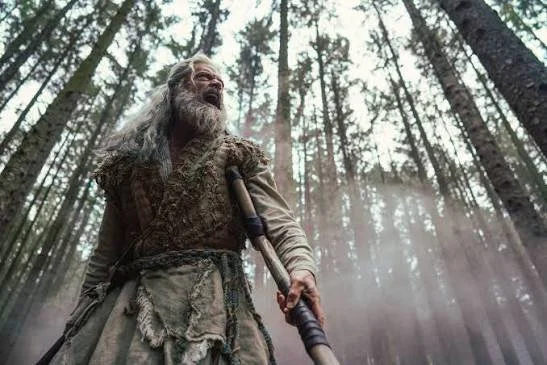
The Death of Robin Hood, directed by Sarnoski, isn't your typical Robin Hood story. Gloomy, cold and windy exterior coupled with Hugh Jackman's aged rough face, imperfect long grey hair, and his body wrapped in scraps of animal skin right away brings you into the story. It's no longer a happy sly fox in green costume or a humble Kevin Costner charming a fair maiden with his looks. In the first scene we see Robin stabbing a young woman in her neck after she attempted to avenge her family. As she bleeds out in the glimmering light of the cold night he asks her family name and how he hurt it.
Next we see him giving her body a proper place to rest, the camera drifting above him, revealing many other graves of people who also came after him seeking revenge.
"I'm not a hero. I told these stories to lead men into the darkness," he says later in the film. Sarnoski explores the original story of Robin Hood — or a more nuanced version, I would say.
Robin Hood wasn't always a positive character. The story goes back to the 12th century when he was a ruthless outlaw.
After a bloodshed battle, heavily wounded and on the verge of death, Robin is delivered to an island by Little Jon.
Sister Bridget, played by Jodie Comer, apologizes to Robin when he finally is conscious.
"You begged me to let you die."
His vulnerability is gone with his fever and he brushes her off: “I know how to hunt” he responds to her preposition on his contribution in exchange for being on the island. He hides his real identity.
As he works to gain back his strength, he and Bridget grow closer. In one of their conversations she tells him: "Knives cut bread as they do flesh. If the balance didn't have some say, we wouldn't be here. This world wouldn't be here. And we wouldn't be sharing these words."
The film offers the complexity of understanding a man who many people viewed as a hero, but who also caused suffering to families. He calls himself a monster. As he comes in touch with different characters his presence is full of remorse. The character feels mature enough to recognize his misguided actions.
The part that makes you fond of him is when we see how he takes care of Little Jon's daughter, Margaret. After escaping the men that killed her father, she comes to the island too. Firmly but patiently he helps her to feel safe again.
Though we observe a development in the relationship between Robin and Bridget, it doesn't take the usual romantic form. He reveals to her that he is the reason for her greatest sorrow: he burned her husband and their children alive.
Jodie Comer is remarkable. Without words we watch her battle her tender feelings towards Robin, the grief of her family, and her duty to heal people who come to the island. She hesitates to kill him when he completely surrenders to her.
"I'm ready to finish it. Heal me," says Robin, asking her to draw his last blood.
As we watch him bleed, he instructs Margaret on how to use a bow.
"You release it, but never let go."
He tells her to look out the window, focus on the aim, and shoot on his command. Right before his last breath he tells her release. Beautiful metaphor.
As I watched the final shallow depth close-up of the incredible acting of Hugh Jackman, I felt tears coming down my face.
When the credits rolled, the tension in my head increased and I broke down in tears. I didn't fully know why I was crying so hard. But it felt so necessary and cathartic.
Watching Robin Hood contend with his life, taking accountability for the suffering he caused, and welcoming his death offered me a sense of release.
No man is just one thing. As long as we have a chance to draw a breath we choose the kind of people we want to be. This film created a space for me, in a single moment, to see a man who could be hated as much as he could be liked. I'm grateful to filmmakers who explore this grey area in an attempt to understand human nature and hold space for male flaws without excusing them.
After the movie we drove to our favorite pho spot. The tension in my neck was gone and I felt an incredible lightness. Like I had just let go of a pound of weight off my shoulders. It will be 7 years next month since my father passed away. His death forever changed me into a more sensitive person. It teaches me how to feel, how to listen to what I'm feeling. Although not intentionally, he is still showing me how to be in the driver's seat. I love you, dad. Happy Father's Day.